Beyond hospital walls: Bringing preventive care closer
What if a simple health check today could prevent a serious health complication tomorrow?
In the rush of Nairobi's everyday life, health can easily slip down the list of priorities. Between early morning commutes, demanding work schedules, family responsibilities and the constant pressure to keep up, many people only think about visiting a healthcare facility when something feels wrong.
But some of the most serious health conditions do not announce themselves with obvious symptoms. High blood pressure can go unnoticed. Type 2 diabetes may develop gradually, with symptoms that are easy to overlook. Early changes in cervical cells often cause no symptoms at all.
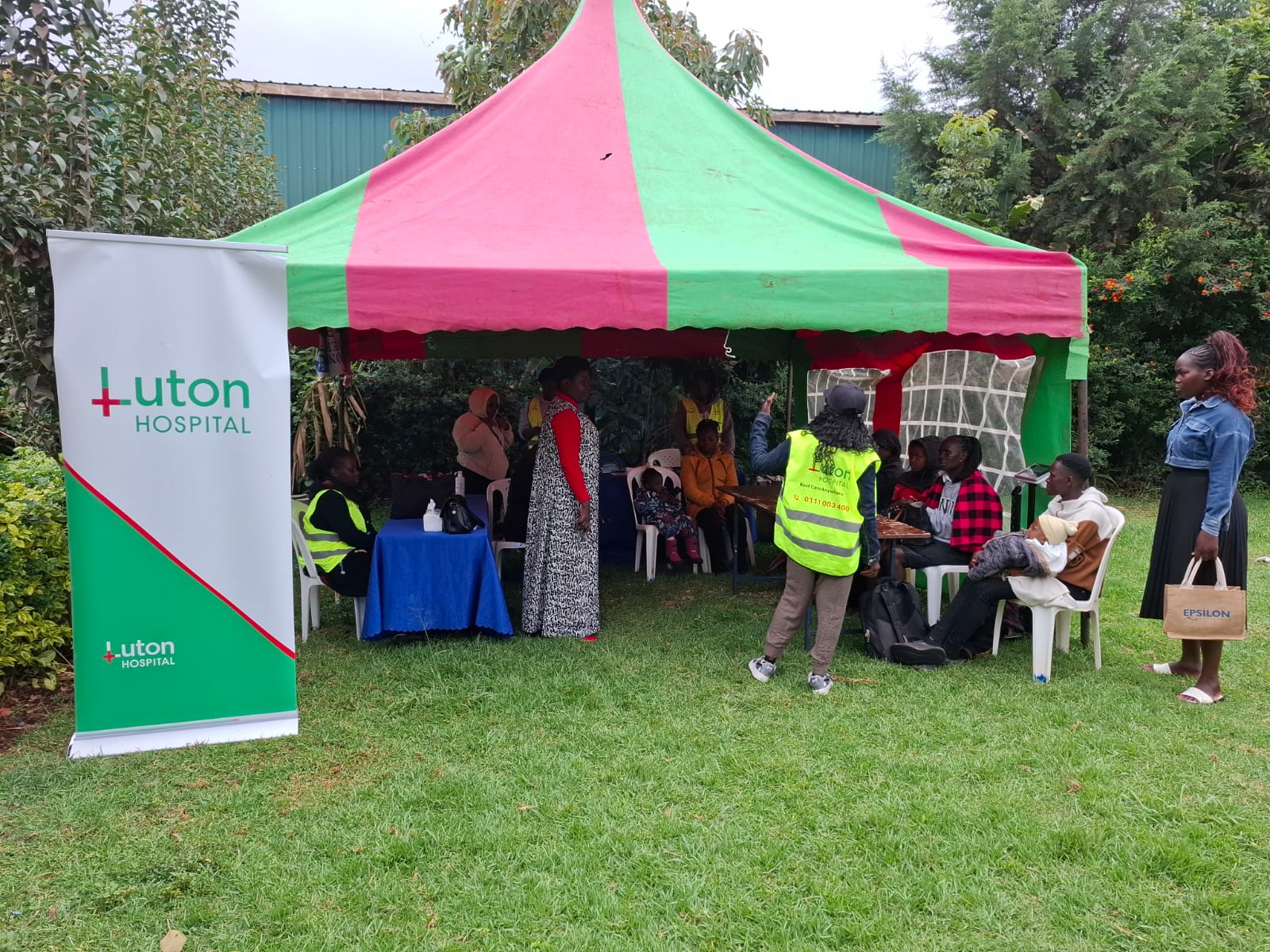
This is why preventive healthcare matters and why bringing essential health services closer to communities can make a meaningful difference. Through community-focused medical camps, Luton Hospital is helping make preventive health services more accessible, encouraging residents to understand their health risks and take action before complications arise.
1. Simple blood sugar check
Diabetes is a growing public health concern, particularly in urban environments where sedentary lifestyles, dietary habits and other risk factors can contribute to the development of type 2 diabetes. At community medical camps, free blood sugar checks provide an opportunity for individuals to gain valuable insight into their health.
While a single screening result does not necessarily confirm diabetes, an elevated reading can prompt further medical evaluation, appropriate diagnostic testing and timely intervention. For someone who has never considered checking their blood sugar, that simple interaction could be the first step towards understanding and managing their health.
2. Cervical cancer screening
For many women, cervical cancer screening is something they know they should do but often postpone. Yet, cervical cancer is one of the cancers that can often be prevented through HPV vaccination, appropriate screening and timely treatment of precancerous changes.
By incorporating cervical cancer screening into community medical camps, Luton Hospital helps create opportunities for eligible women to access preventive services and receive guidance on follow-up care. Screening can identify concerning changes before symptoms appear, allowing women to seek further assessment and treatment when needed.
3. Blood pressure check
High blood pressure has earned its reputation as a silent health threat for a reason: many people living with hypertension experience no noticeable symptoms. Without appropriate management, persistently elevated blood pressure increases the risk of serious complications, including heart disease, stroke and kidney disease.
Free blood pressure checks at medical camps offer an accessible starting point. But the real value extends beyond the reading on the monitor. It lies in the conversation that follows, helping individuals understand what their numbers mean, when repeat measurements or medical assessment are necessary, and how lifestyle changes and treatment can support better blood pressure control.
4. Nutrition consultation
Nutrition consultations at community medical camps provide an opportunity to discuss practical ways of improving dietary habits, managing weight and reducing the risk of lifestyle-related conditions. For urban families balancing busy schedules and rising living costs, healthy eating advice must be realistic. It may begin with understanding food portions, reducing excess salt and added sugar, incorporating affordable vegetables and whole foods, or making small, sustainable changes to everyday meals.
Good nutrition advice should not simply tell people what to avoid. It should help them understand what they can do differently.
5. Clinician consultation
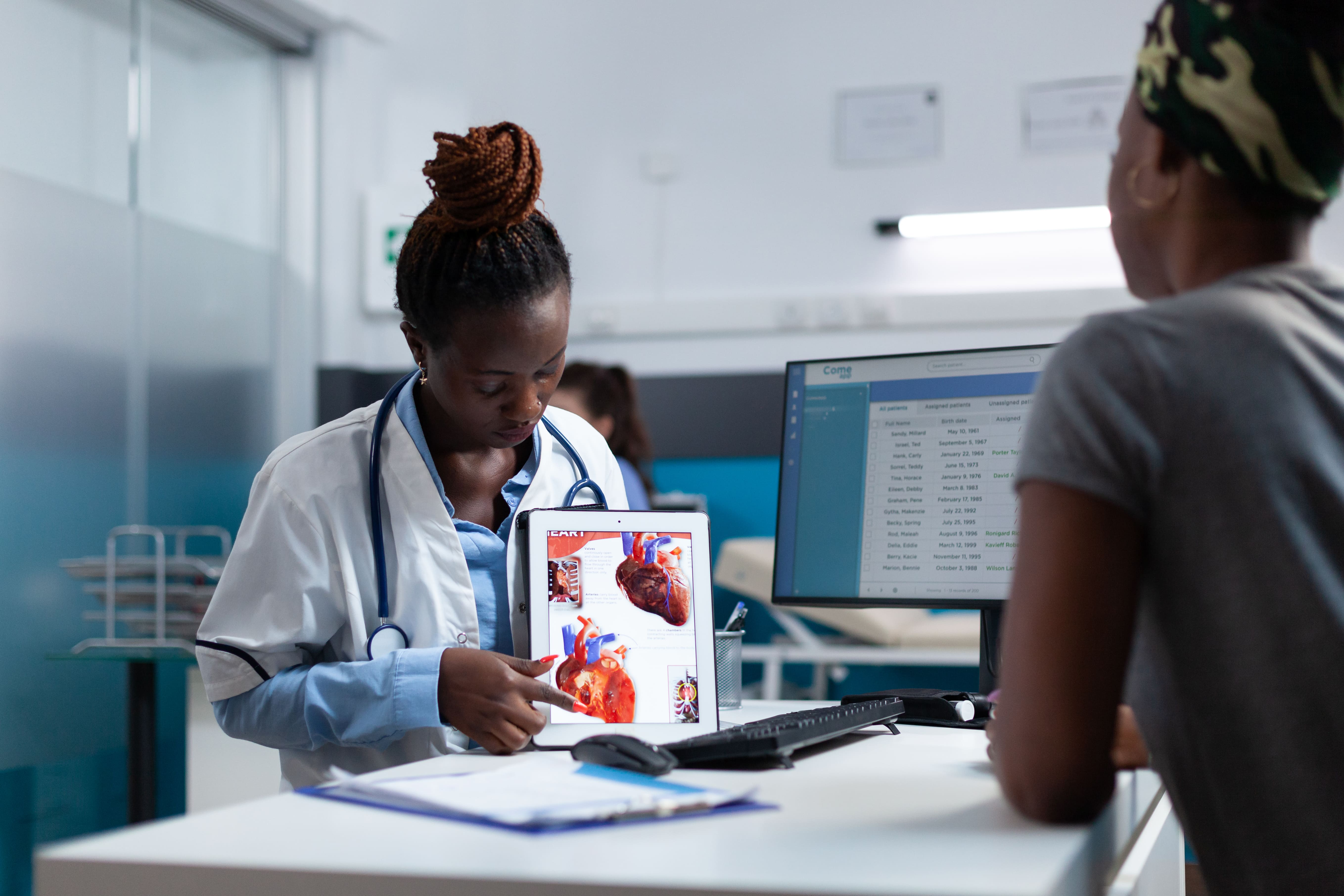
A health screening is only the beginning. Understanding what the results mean is just as important. Through clinician consultations at Luton Hospital's community medical camps, residents have an opportunity to discuss their health concerns, understand their screening results and receive professional guidance on the next steps.
Whether it's an elevated blood sugar reading, concerns about blood pressure or questions about general wellbeing, these consultations help bridge the gap between knowing your health status and taking action. Where further investigations or treatment are needed, clinicians can recommend appropriate follow-up care.
Beyond hospital walls
A community medical camp is more than a temporary consultation point. It is an opportunity to bridge the distance between healthcare services and the people who need them. For someone who has postponed a medical check-up, a free screening may offer the encouragement to begin. For another, a consultation may clarify a health concern they have carried for months. And for others, it may be the first time they understand why preventive care deserves a place in their routine.
At Luton Hospital, community outreach reflects an understanding that meaningful healthcare does not begin and end within hospital walls. It extends into the communities where people live, work and raise their families. Importantly, screening is only the beginning. Where results suggest a possible health concern, further evaluation, clear communication and appropriate follow-up are essential.
Prevention begins with one step
Preventive healthcare is not only about detecting potential illness. It is also about helping people make informed decisions before health problems develop. A blood sugar check. A blood pressure reading. A cervical cancer screening. A conversation about nutrition. Individually, these may seem like small actions. Together, they represent something much bigger: a community becoming more informed, more proactive and better equipped to take charge of its health.
As Luton Hospital continues engaging communities through medical outreach, the message remains simple: You do not have to wait until you feel unwell to start caring for your health. Sometimes, the first step towards a healthier future is simply showing up for a check-up.
Reach out to on 011003400 to explore opportunities to bring preventive healthcare services closer to the people who need them.